

10 Day Scotland Itinerary: Edinburgh, the Highlands and Skye
The best 10 day Scotland itinerary is a single loop: two days in Edinburgh, then Stirling, Glencoe, Skye, Inverness and Loch Ness, a day in Speyside or the Cairngorms, and back to Edinburgh. It works because the distances are manageable, but only if someone else carries the driving and the planning. A private driver-guide, which is how we run our private multi-day tours, lets you spend those hours looking at the glens instead of the road.
TL;DR
-
Ten days on the ground means nine nights and roughly eight and a half usable days if you land on Day 1 and fly home on Day 10, so plan around that.
-
The classic loop: Edinburgh (2 days), Stirling, Loch Lomond and Glencoe, Skye (2 nights), Eilean Donan, Inverness, Loch Ness and Culloden, Speyside or the Cairngorms, then Edinburgh.
-
Choose one extra theme, such as whisky or castles, rather than adding islands on top of the classic route.
-
US visitors need a UK electronic travel authorisation (ETA) before they fly. It costs £16 and should be applied for well ahead.
-
We build private 10 and 14 day tours, plus fully custom itineraries, around your pace and interests.
Table of Contents
How much of Scotland fits into 10 days
Enough for a genuine first visit. A well-built route can take in Edinburgh, the Cairngorms, Inverness, Loch Ness and Skye, as Rough Guides’ 10-day route does. That is the heartland of what most Americans picture: castles, lochs, mountains and a whisky tasting.
Two practical points shape everything:
-
Your first and last days are partly lost. Overnight flights from the US usually land in the morning at Edinburgh or Glasgow, so Day 1 is a gentle start and Day 10 is a travel day. Shorten the end of the trip rather than squeezing the middle.
-
Distances look short on a map and are not. Scottish Highland roads are mostly single carriageway, often winding, and you will stop constantly for views. Allow more time than a mapping app suggests.
If you want more than the classic loop, pick one addition only: a whisky-focused stretch through Speyside, for example, or a slower two-night base in one region. Trying to add the Outer Hebrides or Orkney as well turns a holiday into a timetable.
The route at a glance
| Day | Base for the night | Highlights |
|---|---|---|
| 1 | Edinburgh | Arrive, Old Town stroll |
| 2 | Edinburgh | Edinburgh Castle, Royal Mile, Holyroodhouse |
| 3 | Callander or Aberfoyle | Stirling Castle, Wallace Monument, Trossachs |
| 4 | Fort William or Glencoe | Loch Lomond, Rannoch Moor, Glencoe |
| 5 | Skye | Glenfinnan, then across to Skye |
| 6 | Skye | Old Man of Storr, Fairy Pools, Talisker |
| 7 | Inverness | Eilean Donan Castle, drive to Inverness |
| 8 | Inverness | Loch Ness, Urquhart Castle, Culloden |
| 9 | Speyside or Cairngorms | Distilleries or mountain scenery |
| 10 | Edinburgh | Return and fly home |
The order runs clockwise from Edinburgh through the west and returns through the east, so you never retrace a road.
Days 1 and 2: Edinburgh
Use Day 1 to recover from the flight. Walk the Old Town, find dinner on the Grassmarket or in the New Town, and go to bed early.
Day 2 is for the big sights. Start with Edinburgh Castle, then walk down the Royal Mile to the Palace of Holyroodhouse, the monarch’s official residence in Scotland. Finish in Princes Street Gardens or the Georgian streets of the New Town. The castle is one of the busiest paid attractions in the country, so buy a timed ticket on the official Historic Environment Scotland site before you travel and arrive at opening time.
If you would rather have the city’s stories explained as you walk, our private Edinburgh day tour pairs you with a local guide, and you set the pace.
Day 3: Stirling and the Trossachs
Leave Edinburgh for Stirling, about an hour away. Stirling Castle and the nearby Wallace Monument sit at the site of the battles of Stirling Bridge and Bannockburn, which makes them the clearest introduction to Scotland’s medieval history outside Edinburgh. Spend the afternoon in the Trossachs, the small lochs and wooded hills around Callander and Aberfoyle, often called the Highlands in miniature.
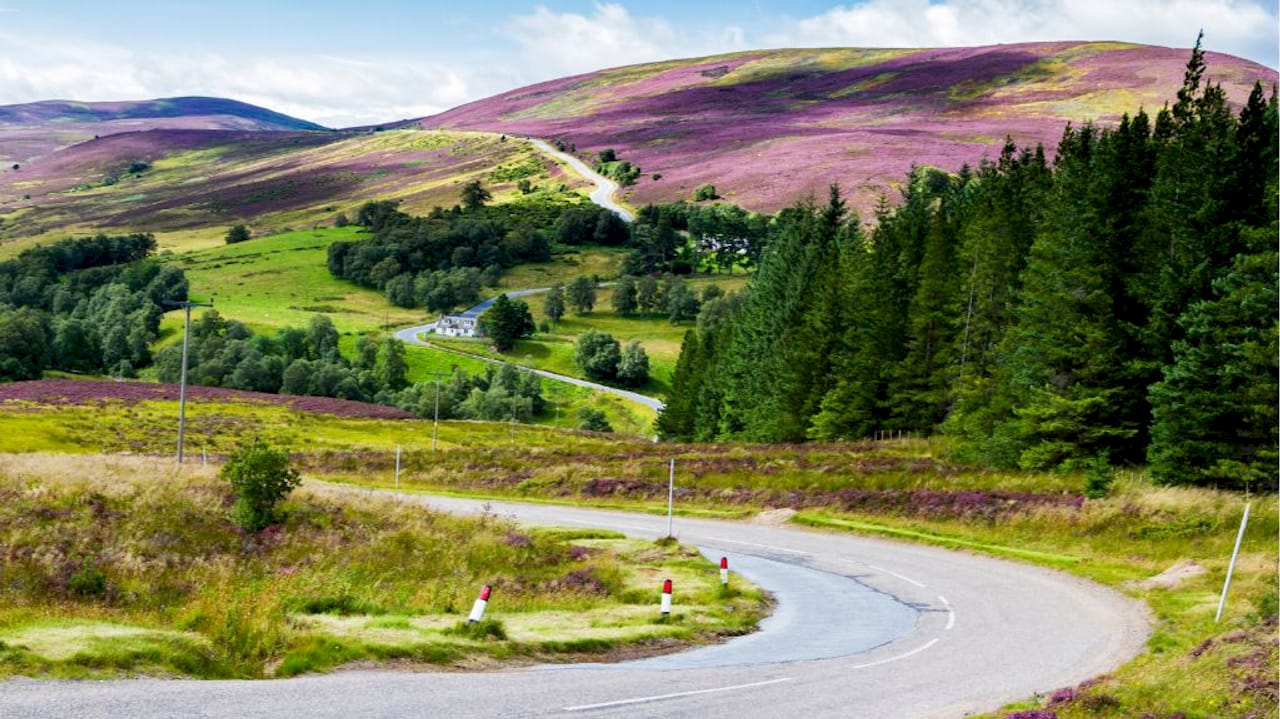
Fans of the TV series will find that several Outlander locations fall along this stretch; we run a dedicated Outlander private day tour from Edinburgh if that is your reason for coming.
Day 4: Loch Lomond and Glencoe
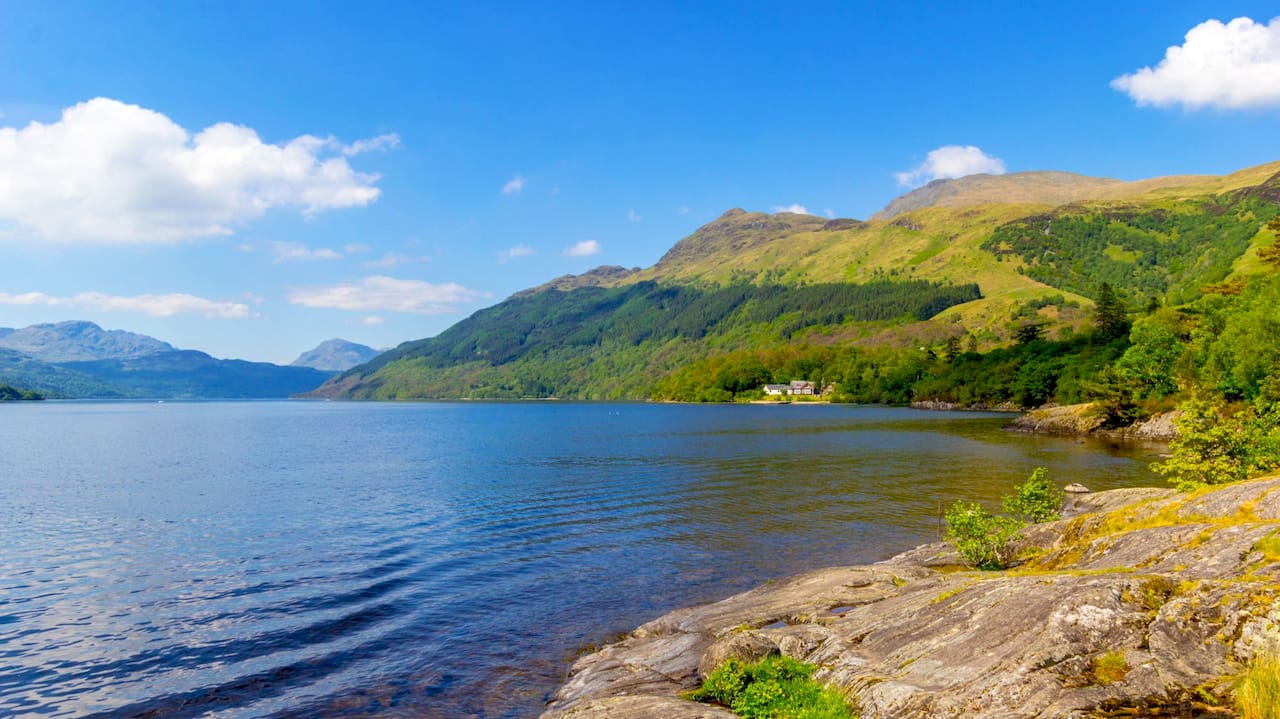
This is the day the scenery changes. Drive north along Loch Lomond, then across Rannoch Moor, a vast, empty peat plateau, before dropping into Glencoe, the steep glen that many first-time visitors remember above everything else. Walkers can take the Lost Valley trail, which needs two to three hours; others will be content with the roadside viewpoints and a short stop in the village.
Sleep in Glencoe or Fort William. If you only have a day to see the glen and nearby Glenfinnan, with its railway viaduct, our private Glencoe and Glenfinnan tours run from Edinburgh and from Glasgow.
Days 5 and 6: Isle of Skye
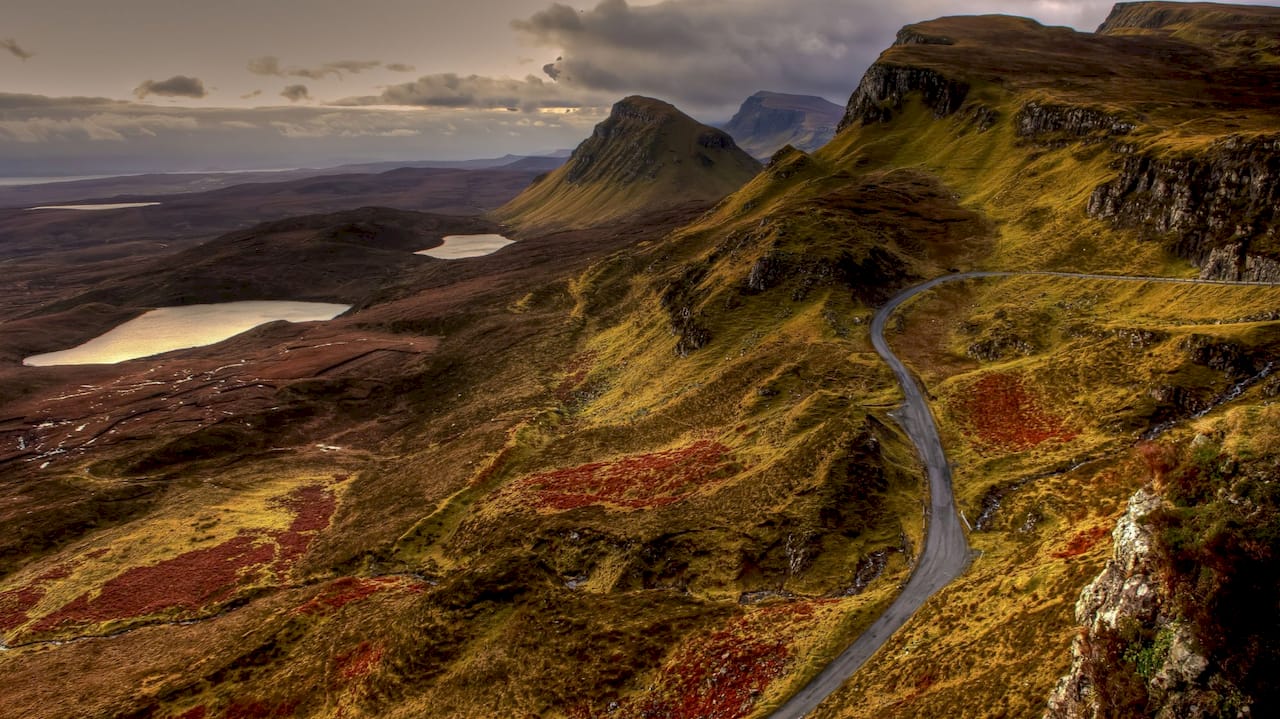
Give Skye two nights. The drive from Fort William is around 90 minutes without stops, and you will stop. Day 5 can include Glenfinnan on the way, with Skye reached by the bridge at Kyleakin or the Mallaig ferry.
On Day 6 choose three or four sights, not ten:
-
Old Man of Storr: a rock pinnacle above a steep path; allow about 90 minutes for the walk.
-
Fairy Pools: a series of clear waterfalls near Glenbrittle; about 90 minutes return.
-
Talisker Distillery: Skye’s oldest working distillery, at Carbost, for whisky drinkers.
-
Portree: the island’s harbour town, for lunch.
Skye is the stretch where narrow single-track roads, passing places and summer coach traffic test visitors most. Having a driver-guide who knows them well means you can look out of the window. Our guide to why you should visit the Isle of Skye explains what makes the island worth the effort.
Day 7: Eilean Donan to Inverness
Leave Skye over the bridge and stop at Eilean Donan Castle, on its small island where three sea lochs meet. It is among the most photographed castles in Scotland, and morning light is kinder before the tour groups arrive. From there drive through the Great Glen to Inverness, the Highland capital, for the night. It is a good place for a proper restaurant dinner after two nights on Skye.
Day 8: Loch Ness and Culloden
Start at Urquhart Castle, a ruin on the loch shore with views along the water, and take a Loch Ness boat trip if the weather is kind. Return towards Inverness for Culloden Battlefield, where the Jacobite army was defeated in 1746. Its visitor centre gives the context to much of what you have seen since Stirling. If you want this day on its own, see our Loch Ness private day tour.
Day 9: Speyside or the Cairngorms
This is the flexible day, and your interests decide it.
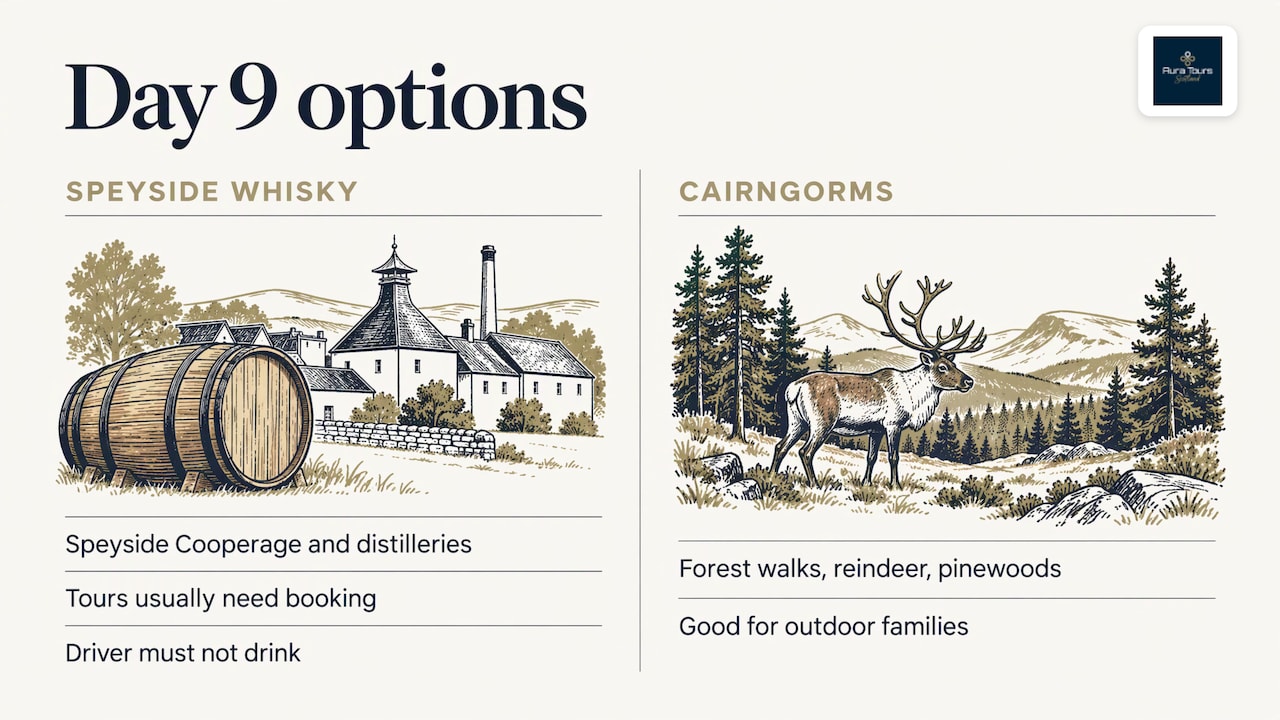
For whisky: Speyside is the densest whisky region in Scotland. Inverness to Craigellachie is about 52 miles and 90 minutes by road, so you can reach it by mid-morning. Stops here usually include the Speyside Cooperage, where casks are made, and distilleries such as Aberlour, Macallan, Cardhu, Craigellachie and Glenfiddich. Most distillery tours need to be booked, and the driver must not drink, which is a practical argument for a private driver-guide. Our private whisky tours include a Spirit of Speyside 2 day whisky tour, and our Highlands whisky day tour from Edinburgh covers the Highlands for those with less time.
For mountains: the Cairngorms National Park offers forest walks, reindeer and ancient pinewoods. It is also a good first choice for families who want to be outdoors.
Either way, finish the day heading south toward Perthshire or Edinburgh, so Day 10 is not a long drive.
Day 10: Back to Edinburgh
From the Cairngorms or Speyside, the road south to Edinburgh takes roughly three hours or more, depending on where you start and where you stop. If your flight is in the afternoon, take it easy and leave the morning free for a last coffee in the Old Town. Check the flight time before you finalise where you sleep on Day 9.
If you are travelling between cities by rail rather than road, ScotRail’s Inverness to Edinburgh page gives an average journey of 3 hours 53 minutes, with the fastest around 3 hours 21 minutes and journeys that can run longer at weekends and on bank holidays. Rail covers the main cities well, but it will not reach most of the places above, such as Glencoe’s viewpoints, the Skye walks or the Speyside distilleries.
Getting around: driving yourself or being driven
The loop above is often done as a self-drive trip. Individual legs run from about 40 minutes up to around 3 hours before stops, and a full day of touring easily doubles that. Self-driving also means driving on the left, handling single-track roads and finding parking at popular sights.
On a private tour with a driver-guide, you are in a luxury vehicle with someone who knows the roads, the timings and the local stories. That is how we run our private tours, and it takes the navigation, the parking and the designated-driver question off your hands. It also means the itinerary can change on the day: a clear morning on Skye can take priority over a planned stop.
What to book ahead
On a 10-day trip the things that sell out are limited in number, so book these first:
-
Edinburgh Castle tickets: timed entry, and popular days sell out.
-
Accommodation on Skye, in Glencoe and in Inverness: summer is busy across the Highlands, and small hotels fill early.
-
Distillery tours in Speyside: many run set tour times and need a reservation.
-
Your driver or guide: private guides have limited calendars in peak season.
Build buffer into each day. Scenic stops, photographs and weather take longer than planned, and an unhurried day is a better day.
Before you fly: the UK ETA for US visitors
American passport holders do not need a visa for a tourist trip to the UK, but they do need an electronic travel authorisation, known as an ETA. The UK government’s ETA guidance says each traveller needs one, including babies and children, and that it allows visits of up to six months. According to the Home Office announcement on ETAs, it costs £16, lasts two years or until the passport expires, and the government recommends allowing up to three working days for a decision. Apply through the official GOV.UK service, and make sure the ETA is linked to the passport you will be travelling on. If you are planning for a family, apply for everyone at the same time.
Adapting the route to who is travelling
-
Families: shorten the driving days, keep two nights in each base, and swap long walks for short ones such as the Old Man of Storr’s lower path. Castles with open grounds, Loch Ness boat trips and the Cairngorms work well for children.
-
Whisky enthusiasts: replace one of the Highland sightseeing days with a second distillery day. A Talisker visit on Skye and a full day in Speyside already give you two contrasting regions.
-
Luxury travellers: the pace matters more than the distance. Fewer hotels, longer stays and private transport all make the same route feel very different.
-
Travel agents: the classic loop is a dependable base to quote from, and the order can be reversed or trimmed for clients with a shorter stay.
-
History and Outlander fans: add Stirling, Culloden and a heritage day, which cost no extra travel time on this route.
Where to base yourself is the other big decision. Our guide to where to stay in Scotland goes through the options region by region.
Have this route planned for you
We offer private multi-day tours of Scotland, including 10 day and 14 day options, and custom tours built around your interests and pace. You travel with a knowledgeable local driver-guide in a comfortable luxury vehicle, with access to selected landmarks and experiences. Whether you want the classic loop above or a version with more whisky, more castles or fewer early starts, you can start from our private multi-day tours or ask us for a custom tour of Scotland.
If you only have time for a taste, our private day tours cover Edinburgh, the Highlands, St Andrews, Loch Ness and Outlander locations.
FAQ
Is 10 days enough for Scotland?
Yes, for a first visit. Ten days gives you Edinburgh, a loop through the Highlands, Skye, Loch Ness and a day for whisky or mountains. It will not cover the far islands too, so pick one extra theme and leave the rest for a return trip.
How many days should I spend in Edinburgh?
Two days is a good balance on a 10-day trip. One day covers the castle, the Royal Mile and Holyroodhouse, and the other gives you time for jet lag, the New Town and a meal out. Add a third if museums and day trips appeal.
What is the best time of year for a 10-day Scotland trip?
Late spring through early autumn gives the longest days and the most reliable access to Highland roads and Skye walks. It is also when accommodation and guide availability are tightest, so book early. Pack waterproofs whatever the month.
Do Americans need a visa for Scotland?
Not for tourism, but an ETA is required before you travel. It costs £16 and is valid for two years or until your passport expires, and each traveller, including children, needs one. Apply on the official GOV.UK service and allow up to three working days.


